
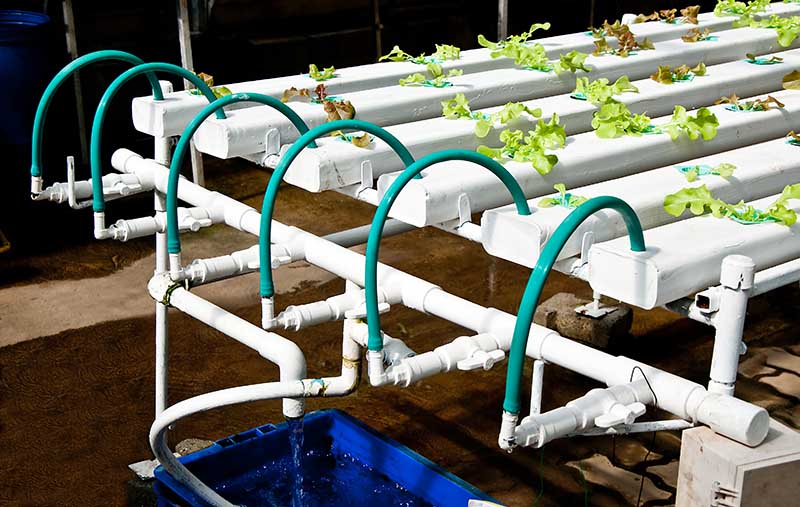
Nutrient Film
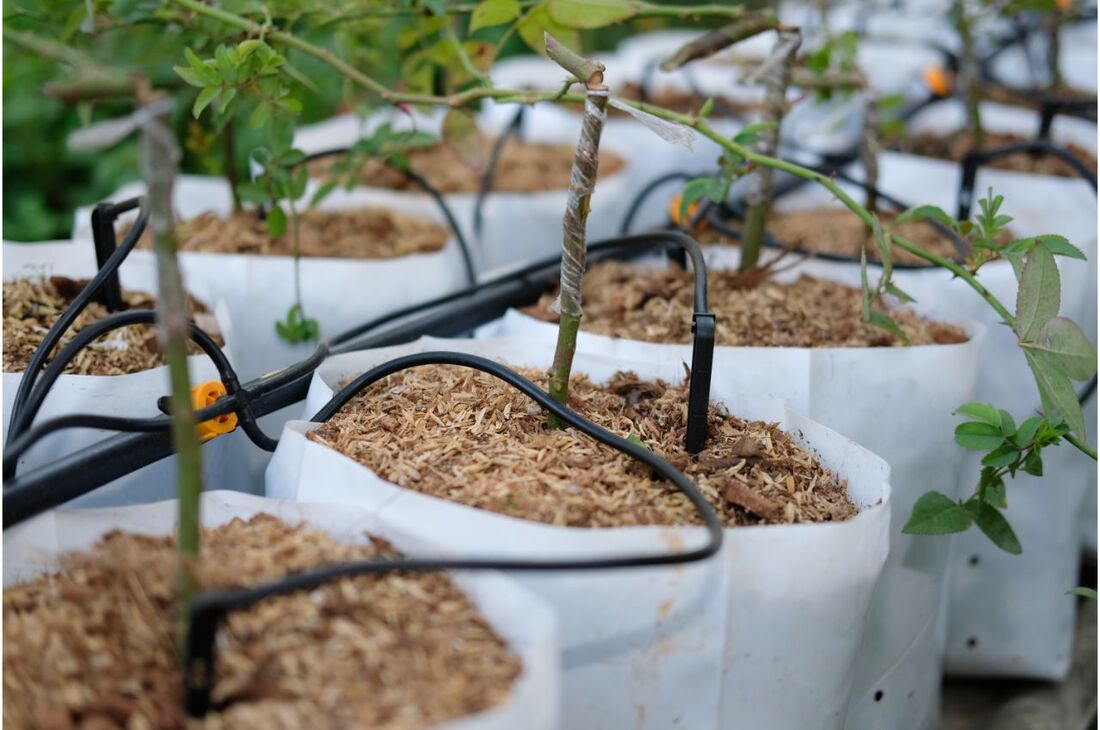
Drip System
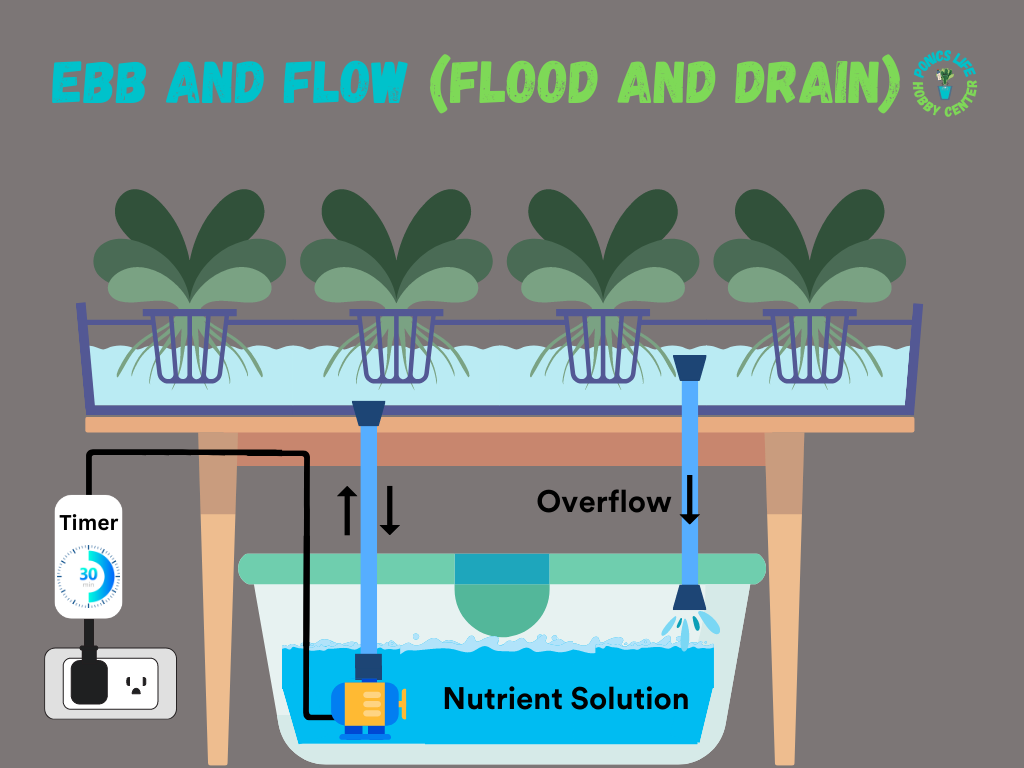
Flood and Drain
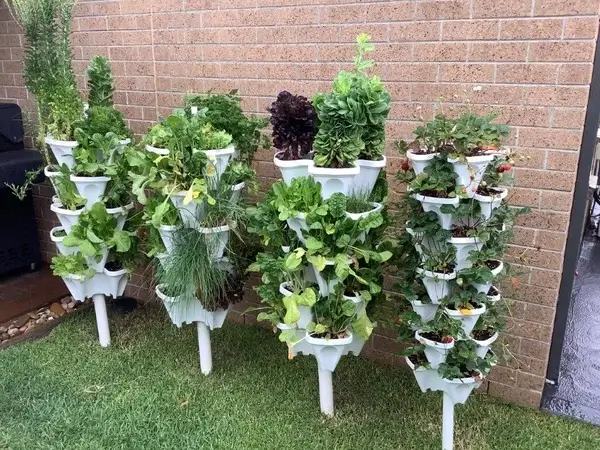

Hydroponic gardening is growing in a nutrient solution, as opposed to the traditional soil method. It can be a great way to garden indoors, if tight on space, and a much less messy version then getting down and dirty in the garden! It can also reduce the risk of pests eating away at your plants. It gives you complete control over what nutrients you feed your plants and reduces the use of herbicides and pesticides.
A growing medium is used instead of soil, this could be coco coir, perlite, hydroton (clay pebbles), vermiculite or most popular, a combination of these. There are many hydroponics systems, each a little different. Generally, water or a nutrient solution is fed to the plants through a timer. The roots either always sit in the nutrient solution or are fed at different intervals throughout the day.
Hydroponic systems can be very versatile, and some can easily be made on a DIY budget, but they can be slightly complex to set up. Once up and running though, the maintenance is much easier. You will need to regularly check on your system, equipment, and pH levels of the water.
There are many types of hydroponics system. Read up on each different system in find out what will suit you best.
Hydroponic cannabis growing replaces soil with a controlled system where plant roots are suspended in, or regularly fed with, nutrient-rich water. Instead of searching through soil for nutrients, roots receive everything directly — which dramatically increases efficiency, growth speed, and overall plant performance.
Most hydro systems use an inert growing medium such as clay pebbles, coco coir, or perlite to support the plant while allowing maximum oxygen and water flow. Air stones or pumps are often used to keep the water oxygenated, which is critical for healthy root development and preventing issues like root rot.
👉 Learn how this compares to traditional methods in our Soil vs Hydroponics Guide
👉 Explore setup basics in our Indoor Cannabis Growing Guide
One of the biggest advantages of hydroponics is the ability to fully control the environment. When combined with an indoor grow setup, you can fine-tune:
This level of control is what allows hydro growers to consistently produce denser, higher-quality buds compared to outdoor or soil grows. Controlled environments also reduce risks like pests, disease, and weather damage.
👉 Optimise airflow with our Grow Room Ventilation Guide
👉 Dial in lighting with our LED Grow Lights Guide
Hydroponics gives you full control — but that also means precision matters.
Because there’s no soil buffer, cannabis plants rely entirely on your nutrient solution. Keeping your pH in the optimal range (5.5–6.5) ensures nutrients are absorbed properly, while EC (electrical conductivity) helps you measure nutrient strength.
When dialled in correctly, this leads to:
Hydroponics rewards strong genetics. Fast-growing, stable strains perform best in high-efficiency systems, especially feminised seeds that remove the guesswork.
For hydro grows, look for:
👉 Explore trusted local options at CG Australia